10 Space-Saving Gadgets for Small Kitchens (And 1 That Fails)
As an Amazon Associate I earn from qualifying purchases. Product links below go to Amazon. Full disclosure.
Part of our complete kitchen gadget guide.
When counter space runs out, the answer is rarely a bigger kitchen. It is usually fewer, better tools: things that nest, fold, hang, or do the work of three items you currently own. These ten are chosen for kitchens where every centimetre is spoken for.
This is a list about tools rather than storage. If your problem is cupboards rather than counters, the kitchen organisation guide covers dividers, risers, and pull-outs. This page is about owning less in the first place.
The short answer
- Biggest counter gain: a magnetic knife strip on the wall.
- Replaces the most items: one good sauté pan with a lid.
- Best value: a nesting bowl and measuring set that stores as one piece.
- Skip: collapsible silicone cookware. Reasons at the bottom.
How these were chosen
Space saving products have a habit of trading away function to get smaller, and a folding tool that does its job badly is worse than the full sized one it replaced. Each item here had to fold, nest, hang, or consolidate without becoming meaningfully worse at the actual task.
Hinges and folding mechanisms were the main thing to check, because that is where these products fail. Anything with a thin plastic hinge or a clip that needs force to close was left out. Preference went to items where the folding is part of the moulding rather than a separate part waiting to snap.
1. A magnetic knife strip

A knife block is a large object on a small counter, and it holds knives in slots that are difficult to clean properly. A magnetic strip screws to the wall, holds the same knives plus scissors and a peeler, and gives the entire footprint back. In a small kitchen this is usually the single largest counter improvement available for under twenty dollars.
Best for: Any kitchen where the counter is the constraint
Why it made the list: It removes a large object entirely rather than making it smaller
Keep in mind: You have to drill into a wall or backsplash, which rules it out in some rentals. The in-drawer block is the alternative if you have a drawer to spare.
2. One good sauté pan with a lid

A deep sauté pan with straight sides and a lid does the work of a frying pan, a saucepan, and a small casserole. It sears, it simmers, it holds enough liquid for pasta or a stew, and with the lid on it braises. Buying one very good pan instead of a seven piece set is the most effective decluttering decision available in a small kitchen, and the pan you use daily deserves the budget anyway.
Best for: Anyone whose cupboard is full of pans they rarely use
Why it made the list: One item genuinely covering three jobs, rather than a compromise across them
Keep in mind: It will not replace a stockpot for large batches or a proper roasting tin. Expect to keep one of each.
3. A nesting bowl and measuring set
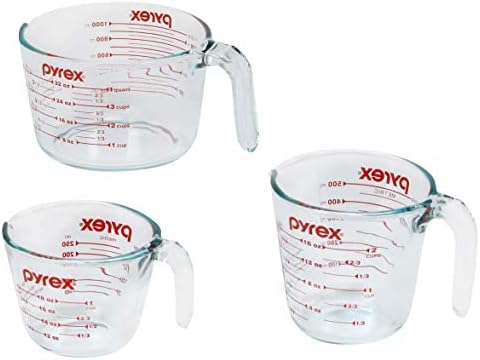
Mixing bowls, measuring cups, colander, and sieve as one stacked tower that occupies roughly the space of the largest bowl. The saving is not clever engineering, it is simply that the pieces are designed to sit inside each other rather than being bought separately and stacked badly. For most small kitchens this consolidates an entire shelf into one item.
Best for: Anyone whose bowls and cups are spread across two cupboards
Why it made the list: A whole shelf of separate items becomes one stack
Keep in mind: You lose the ability to use several bowls at once without unstacking. On a big cooking day that is mildly annoying.
4. A collapsible colander

A full size colander is a large hollow object stored for the two minutes a day it is used. A silicone collapsible one flattens to a couple of centimetres and lives in a drawer. For draining pasta and rinsing vegetables it performs identically to the rigid version, which is why this is one of the few collapsible items that survives the trade-off test.
Best for: Small kitchens with no spare cupboard depth
Why it made the list: It gives up nothing in function to save most of its volume
Keep in mind: The base rim is where these fail. Check it is rigid plastic rather than pure silicone, or a heavy load of hot pasta will flex it alarmingly.
5. A wall rail with hooks

A rail mounted on a spare stretch of wall or the side of a cabinet holds utensils, mugs, small pans, and cloths in the airspace above the counter, which is the most underused area in any small kitchen. It costs very little, installs in ten minutes, and empties an entire utensil pot off the counter.
Best for: Kitchens with wall space and no cupboard space
Why it made the list: It converts unused vertical area into storage without taking any floor or counter
Keep in mind: It has to be screwed in, and adhesive versions carry far less weight than advertised. Do not hang cast iron from a stick-on rail.
6. An immersion blender

A jug blender is a permanent counter resident used a few times a week. An immersion blender does most of the same jobs, blends directly in the pot so there is nothing to transfer, and stores in a drawer. For soups, sauces, and smoothies it is the small kitchen answer. We cover it in more detail in the time saving guide, where it also earns a place for cleanup.
Best for: Small kitchens that still want to blend things
Why it made the list: It replaces a counter appliance with a drawer sized one
Keep in mind: It will not crush ice or make a truly smooth frozen drink. If that is your main use, keep the jug blender.
7. A roll-up over-sink drying rack

A dish rack occupies prime counter space permanently for a job that lasts twenty minutes. A silicone-coated rack that rolls up sits across the sink while you dry, then rolls away into a drawer. It also doubles as a trivet for hot pans and a rest for washed vegetables, which is more than a normal rack ever does.
Best for: Kitchens where the drying rack is the biggest counter object
Why it made the list: It gives back the counter for the twenty three hours a day it is not needed
Keep in mind: Measure your sink width. A rack too short to span it safely is worse than useless.
8. Collapsible food storage containers
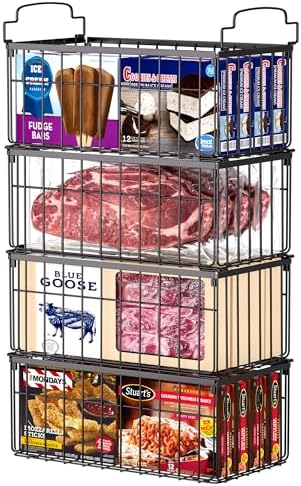
Food containers are hollow, and a cupboard of empty ones wastes a startling amount of space. Collapsible silicone containers flatten to a fraction of their height when empty and pop up when needed, so the cupboard is only full when the containers are. For a kitchen with one storage cupboard, that is a genuine change.
Best for: Small kitchens that store leftovers
Why it made the list: Empty storage stops taking up as much room as full storage
Keep in mind: Silicone stains and holds smells more than glass, particularly with tomato and curry. Not the choice if you prep strongly flavoured food weekly.
9. Under-shelf hanging baskets
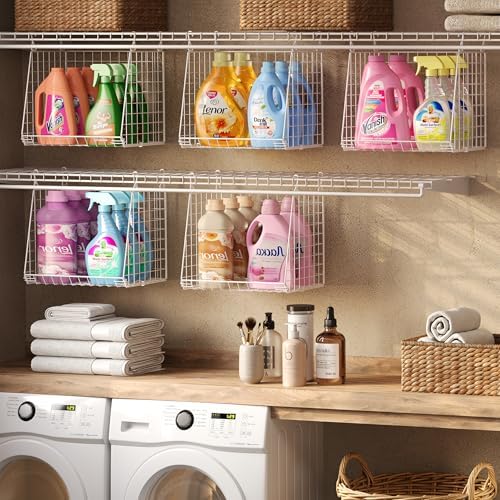
A basket that hooks over an existing shelf and hangs beneath it uses the dead air between a shelf and whatever sits on the one below. It costs very little, needs no tools, and works in cupboards, pantries, and even under a shelf in the fridge. It is the cheapest way to add capacity without altering anything.
Best for: Renters and anyone who cannot drill or install
Why it made the list: It finds storage in space that was doing nothing, with no installation
Keep in mind: Weight capacity is modest and the hooks need a shelf of the right thickness. Measure the shelf edge before buying.
10. A multi-cooker
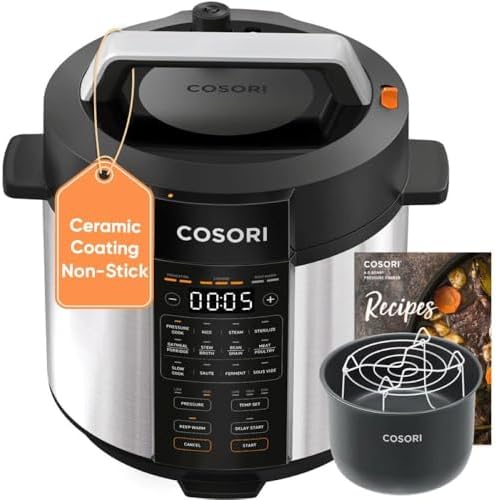
This is the exception on a list about smaller things, because it is large. The argument is arithmetic: a multi-cooker replaces a slow cooker, a rice cooker, and a steamer, and often a stockpot too. If you would otherwise own two or three of those, one appliance takes less room than the set. If you would own none of them, it is simply a large object.
Best for: Kitchens that would otherwise own several single-purpose appliances
Why it made the list: The net space saving is real when it consolidates rather than adds
Keep in mind: It is bulky and heavy, and moving it in and out of a cupboard is enough friction that it may end up living on the counter anyway.
The one we would skip
Collapsible silicone cookware
Folding kettles, collapsible saucepans, and squashable steamers are where the space saving idea stops working. Cookware has one job that silicone is bad at: conducting heat evenly. A collapsible pan has a metal base bonded to flexible walls, which means the sides do not carry heat, food scorches at the bottom and stays cold at the edges, and the join between the two materials is a weak point that fails with repeated flexing.
This is the difference between the good and bad entries on this page. A collapsible colander gives up nothing, because a colander only has to hold shape and let water through. A collapsible pan gives up the one property that makes it a pan. When you are judging a folding version of anything, ask what the item actually has to do, and whether folding compromises that specific thing.
The exception is camping, where the alternative is carrying nothing at all. In a flat with a hob, one good sauté pan is both smaller and better.
Frequently asked questions
How do you organise a very small kitchen?
In order: remove what you have not used in a year, then use vertical and wall space, then buy storage for what is left. Buying containers first is the mistake almost everyone makes, and it means paying to store things you did not want.
Are collapsible kitchen tools durable?
The silicone usually outlasts the hinge. Look for products where the folding is part of the moulding rather than a separate plastic clip, and avoid anything that needs force to snap into position. Where folding compromises the tool is job, as with cookware, skip it entirely.
What wastes the most space in a small kitchen?
Mismatched containers and their missing lids, followed by appliances kept on the counter but used monthly. Solving those two costs nothing and does more than any purchase on this page.
Is it better to buy multi-purpose tools?
In a small kitchen, more often than in a large one, but the rule still holds: a multi-tool is worth it when it genuinely replaces things you already own. It is not worth it when it does several jobs adequately and none well. The sauté pan passes that test, most gadget multi-tools do not.
Where to start
Put a magnetic strip on the wall and move your knives onto it, then look honestly at your pans. Those two moves clear more counter and cupboard than the rest of this list combined, and neither requires accepting a compromised tool.
Everything else follows from what your particular kitchen runs out of first. If it is counter, go vertical. If it is cupboard depth, go collapsible and nesting. The test stays the same: will it earn the space it takes up?