Best Coffee Gadgets for Home Baristas (In the Right Order)
As an Amazon Associate I earn from qualifying purchases. Product links below go to Amazon. Full disclosure.
Part of our complete kitchen gadget guide.
Good coffee at home comes down to three decisions: how you grind, how you measure, and how you control the water. These ten tools cover all three without requiring a machine that costs more than a holiday.
Coffee attracts more marketing than any other kitchen category, so the test here was plain. Does this change what is in the cup, or only how the process looks? Anything that improved the ritual without improving the coffee was left out.
The short answer
- Buy this first: a burr grinder. Nothing else matters as much.
- Second: a scale, because scoops are not a consistent measurement.
- Best value brewer: a pour-over cone. Costs very little, makes excellent coffee.
- Skip: the single-serve pod machine. Reasons at the bottom.
How these were chosen
Coffee is one of the few areas of the kitchen where the order of purchases matters more than the total spent. A cheap brewer with a good grinder makes better coffee than an expensive brewer with a blade grinder, every time, which is why this list is ordered by impact rather than by price.
Everything here was judged on whether it changes extraction, consistency, or freshness, the three things that decide how coffee tastes. Items that only affect presentation were cut, and where a cheap version performs as well as an expensive one, that is stated plainly.
1. A burr grinder

This is the single biggest upgrade available to a home coffee drinker, and it is not close. A blade grinder smashes beans into a mixture of dust and boulders, and because fine particles extract faster than coarse ones you get bitterness and sourness in the same cup no matter what you do afterwards. Burrs crush beans between two surfaces to a consistent size, which is what makes a brew taste clean. Even an inexpensive hand grinder beats any blade grinder.nnBest for: Anyone who currently uses pre-ground coffee or a blade grindernnWhy it made the list: It fixes the fundamental problem that every later step is limited bynnKeep in mind: Hand grinders are cheaper and quiet, but grinding for a large pot takes a couple of minutes of real effort. Electric is worth it if you brew for more than one person.
2. A coffee scale

Beans vary in density, so a scoop of one roast weighs differently from a scoop of another, which is the main reason coffee tastes different from one morning to the next. Weighing both the coffee and the water makes every cup repeatable, and repeatable is what lets you actually improve. A scale with 0.1 gram resolution and a built in timer is the espresso and pour-over standard.nnBest for: Anyone whose coffee is inconsistent for no obvious reasonnnWhy it made the list: It turns brewing from guesswork into something you can adjust deliberatelynnKeep in mind: A standard kitchen scale measures to 1 gram, which is fine for filter coffee but not precise enough for espresso dosing.
3. A pour-over cone and filters

A ceramic or plastic cone, a paper filter, and a mug will make coffee that beats most drip machines, for a fraction of the price and with nothing to descale. The cone gives you complete control over how fast the water passes through the grounds, which is the main variable in filter coffee. It also takes up almost no space and washes in seconds.nnBest for: Anyone brewing one or two cups at a timennWhy it made the list: The best coffee per dollar available anywhere in the categorynnKeep in mind: It requires your attention for three minutes and a steady pour. If you want to walk away while it brews, this is the wrong brewer.
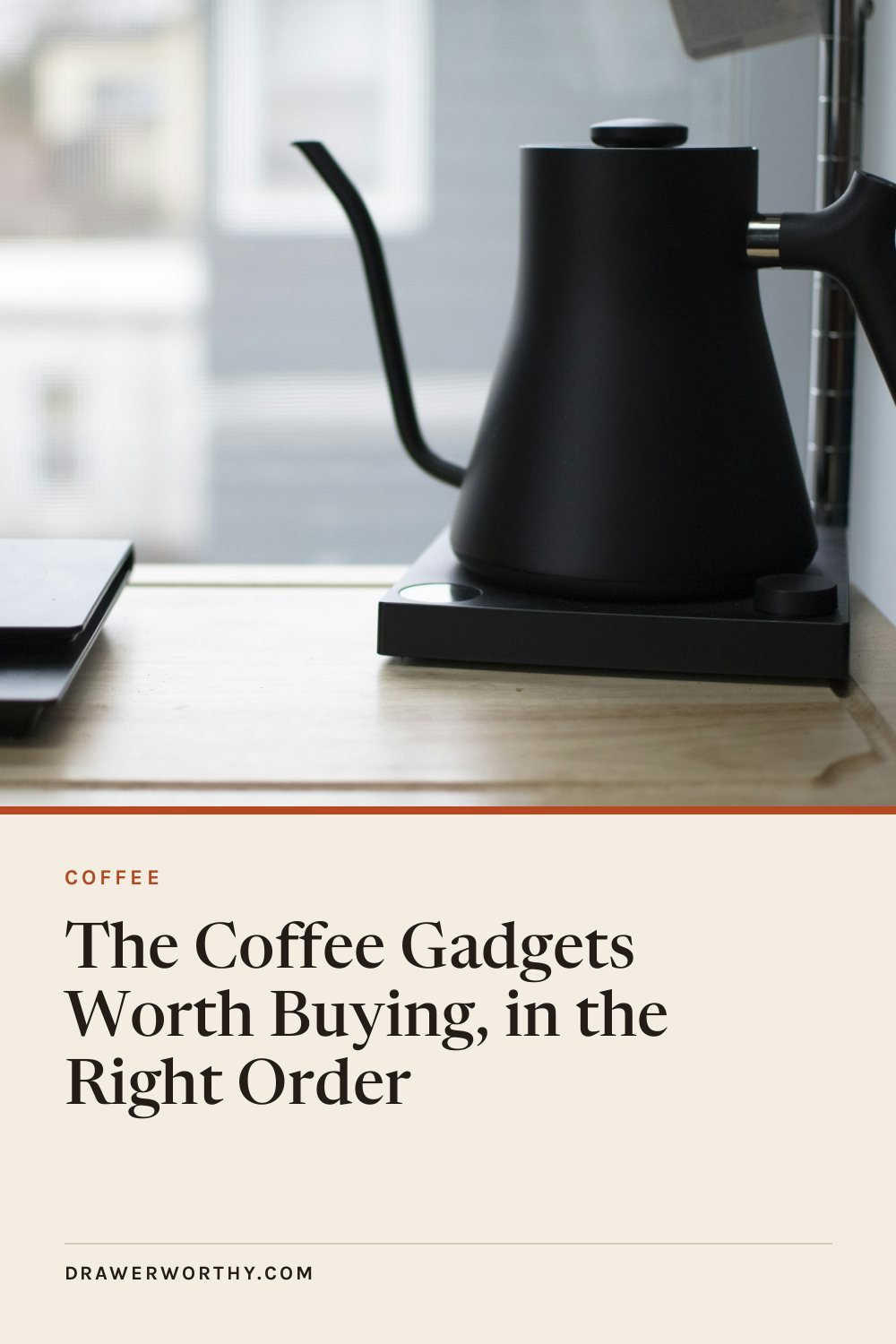
4. A gooseneck kettle

A narrow curved spout lets you pour slowly and precisely onto the coffee bed instead of dumping water into it, which is what stops channelling and uneven extraction in pour-over brewing. Variable temperature models let you set the water rather than boiling it, and water straight off the boil scalds coffee. If you brew pour-over regularly this is the difference between good and inconsistent.nnBest for: Pour-over and hand brew drinkersnnWhy it made the list: It controls two variables at once, flow rate and temperaturennKeep in mind: Only worth it for pour-over. If you brew with a French press or a machine, an ordinary kettle is fine.
5. A French press

No paper, no electricity, no technique to learn, and a full bodied cup because the oils stay in rather than being caught by a filter. It is the most forgiving brewer here, which makes it the right answer for anyone who wants better coffee without a new hobby. A metal one keeps heat far better than glass and survives being dropped.nnBest for: Beginners, and anyone who wants low effort with good resultsnnWhy it made the list: Very hard to get badly wrong, unlike most brewing methodsnnKeep in mind: Fine grounds slip past the mesh and settle in the cup. Grind coarser than you think, and do not press it down hard.
6. An AeroPress style brewer

Immersion brewing with pressure, which produces a concentrated, low acidity cup in about ninety seconds including cleanup. It is nearly unbreakable, it travels, and it is the most forgiving brewer for anyone still working out their grind. The cleanup is genuinely a single push into the bin, which is why so many people who own several brewers still use this one on weekday mornings.nnBest for: Weekday mornings, travel, and anyone short on patiencennWhy it made the list: Speed and forgiveness without giving up cup qualitynnKeep in mind: It makes one cup at a time. Brewing for a table of people with this is a long morning.
7. A handheld milk frother

A battery whisk turns milk into foam in about twenty seconds and costs less than two coffees out, which makes it the best value item on this page after the cone. It works for lattes, matcha, and hot chocolate, and it also mixes protein powder and dressings without lumps. It is the cheapest thing that makes a home drink feel deliberate rather than rushed.nnBest for: Anyone with a daily milk drink habitnnWhy it made the list: Very low cost, very high frequency of usennKeep in mind: It aerates milk rather than steaming it, so the texture is airy foam rather than the dense microfoam of an espresso machine.
8. An airtight coffee canister with a valve
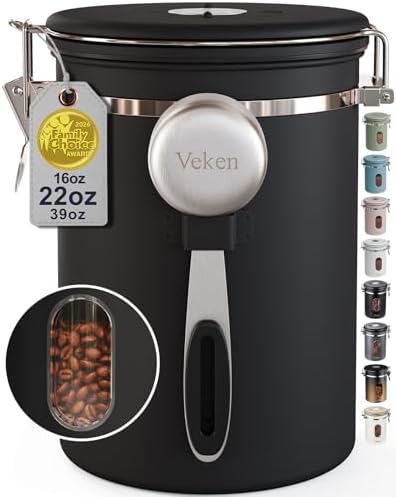
Coffee goes stale from oxygen, light, and heat, and the bag it came in protects against none of them once opened. An opaque airtight canister with a one way valve lets the carbon dioxide from fresh beans escape without letting oxygen in, which keeps beans tasting good for weeks rather than days. Given what good beans cost, this is inexpensive insurance.nnBest for: Anyone buying freshly roasted beansnnWhy it made the list: It protects the most expensive part of your setup, which is the coffee itselfnnKeep in mind: Do not store beans in the fridge or freezer for daily use. Condensation on cold beans does more damage than the air you were avoiding.
9. A moka pot
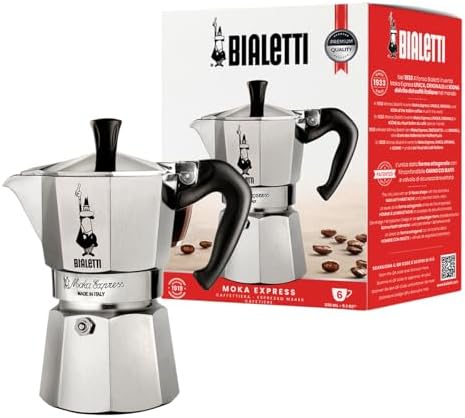
The stovetop classic makes a small, intense, espresso-adjacent cup using steam pressure and nothing else. It costs very little, lasts decades with no electronics to fail, and produces the base for a proper milk drink at home. It has a technique to learn, but once you have it the results are consistent.nnBest for: Strong coffee drinkers who want intensity without an espresso machinennWhy it made the list: Genuine strength and body at a fraction of espresso machine costnnKeep in mind: It is not actual espresso, and it burns coffee easily if you use high heat or leave it on after it starts sputtering. Medium heat, and pull it off early.
10. A cold brew maker

Cold brew is not iced hot coffee. Steeping coarse grounds in cold water for twelve to twenty four hours extracts far less acid, producing a sweeter, smoother concentrate that keeps in the fridge for a week. A dedicated maker is really just a jug with a filter basket, but it makes the process tidy enough that you will actually do it.nnBest for: Summer, iced coffee drinkers, and anyone sensitive to aciditynnWhy it made the list: It produces something genuinely different rather than a variationnnKeep in mind: It needs planning the night before, and it uses noticeably more coffee per cup than hot brewing.
The one we would skip
The single-serve pod machine
Pod machines are convenient, and that is a real benefit worth acknowledging. The reason this page recommends against one for anybody who cares how coffee tastes is that a pod is pre-ground coffee that has been sitting in a sealed cup since it was packed. Grind freshness is the variable with the largest effect on flavour, and a pod system removes your control over it entirely. The machine can be excellent and the result will still be limited by what is in the capsule.
There is a cost argument too. Pods are among the most expensive ways to buy coffee per gram, and the machine ties you to one supplier for as long as you own it. A hand grinder and a pour-over cone cost roughly the same as a mid-range pod machine and produce noticeably better coffee, with beans you can buy anywhere.
The honest exception: an office, a guest room, or a household where one person drinks coffee occasionally and nobody wants a ritual. Convenience is a legitimate thing to buy. Just do not expect the coffee to improve.
Frequently asked questions
Do you really need a burr grinder?
If you want better coffee, yes, and it should be the first thing you buy. Blade grinders produce a mixture of dust and large pieces which extract at different rates, so the same cup ends up both bitter and sour. Any burr grinder, including an inexpensive hand one, avoids that.
What is the easiest way to improve home coffee?
Grind fresh and weigh the coffee and water rather than measuring by scoop. Those two changes cost very little and matter more than which brewer you own.
Is an expensive brewer worth it?
Rarely, and never before a grinder. A ten dollar pour-over cone with well ground coffee beats a two hundred dollar machine with pre-ground coffee. Spend on the grinder, then the beans, then the brewer, in that order.
How long do coffee beans stay fresh?
Roughly two to four weeks after roasting for peak flavour, stored airtight, opaque, and at room temperature. Buy smaller bags more often rather than a large bag that goes stale halfway through.
What to buy first
A hand grinder and a pour-over cone. Together they cost very little and they will produce better coffee than any machine you own without them. Add the scale next, then decide whether you want the control of a gooseneck kettle or the convenience of an AeroPress.
Resist buying the brewer first. It is the most visible part of a coffee setup and the least important one, which is exactly why most kitchens have an expensive machine making mediocre coffee.
More guides worth reading
- Best Kitchen Gadgets Under $25: 12 That Earn Their Drawer Space
- Best Gifts for People Who Love Cooking
- 15 Kitchen Gadgets You Didn’t Know You Needed (And 1 to Skip)
Already own the gear? Two maintenance guides that fix most bad home coffee: how to clean a coffee grinder and how to descale a kettle and coffee maker.