Best Baking Tools Under $25: The 7-Piece Beginner Kit (And the Set to Skip)
As an Amazon Associate I earn from qualifying purchases. Product links below go to Amazon. Full disclosure.
Part of our baking tools for beginners guide.
Beginner baking kits are mostly padding. They bundle a dozen items so the box looks generous, and half of them are the cookie cutters and piping tips you will use once a year. What a new baker actually needs is seven boring things that cost under twenty five dollars each, and most of them last for decades.
This is the list we would buy, in the order we would buy it, for someone who wants to make cookies, a cake, a loaf of bread, and a tray of roast vegetables without fighting their equipment. One popular item is missing on purpose, and there is a section at the end explaining why.
The short answer
- Buy this first: a digital scale. Recipes in grams work every time; recipes in cups work most of the time.
- Biggest surprise: an oven thermometer. Most home ovens are off by 10 to 25 degrees, which explains a lot of failed bakes.
- Most used: a heavy half sheet pan. Cookies, roasting, sheet cakes, and it never warps.
- Skip: the twenty-piece piping set. Details at the bottom.
How these were chosen
Every item here does a job that the alternative does worse. A scale beats cups. A thermometer beats trusting the dial. A heavy pan beats a thin one that buckles in the oven and sends your cookies sliding. Nothing on this list is single-purpose, nothing needs a special drawer, and everything can be washed in under a minute, which is the test that decides whether a tool survives its first year.
1. A digital kitchen scale
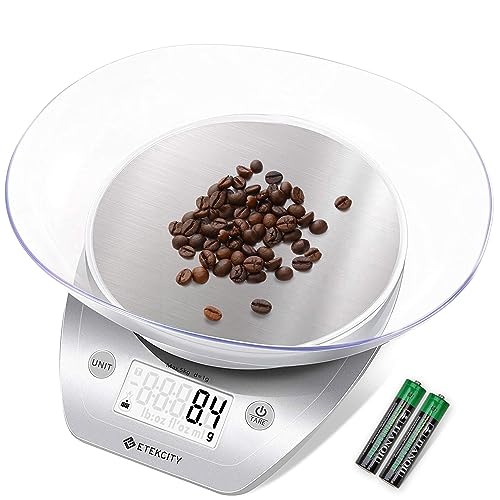
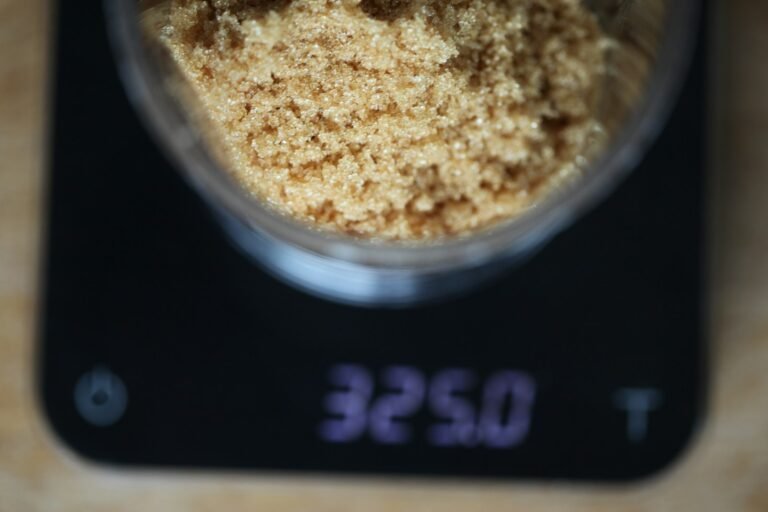
Baking is chemistry and cups are not a unit of chemistry. A cup of flour can weigh anywhere from 120 to 160 grams depending on how you fill it, which is the difference between a tender cake and a dense one. A scale removes the guesswork, and it also means fewer bowls, because you zero it and add the next ingredient straight on top.
Best for: Every baker, from the first batch of cookies onwards
Why it made the list: The single biggest improvement in results for the least money
Keep in mind: Recipes in cups can be converted, but it is easier to find recipes written in grams, which most good baking books now are.
2. An oven thermometer

Hang this from the middle rack and read it after the oven says it has preheated. Most people discover their oven runs twenty degrees hot or cold, and that one fact explains years of burnt bottoms and sunken middles. It is a mechanical dial with no battery, and it lives in the oven permanently.
Best for: Anyone whose bakes never quite match the recipe photo
Why it made the list: The cheapest fix on this list for the most common baking problem
Keep in mind: Ovens also have hot spots. Once you know the real temperature, rotate the tray halfway through and the rest sorts itself out.
3. A heavy half sheet pan

The standard commercial size, eighteen by thirteen inches, in thick aluminium that spreads heat evenly and does not warp when it goes from a hot oven to a cold counter. It bakes cookies, roasts vegetables, holds a sheet cake, and catches drips under a pie. Buy two if you bake cookies often, so one tray can cool while the other is in the oven.
Best for: Cookies, roasting, sheet cakes, and anything flat
Why it made the list: The most used pan in most kitchens once people own a good one
Keep in mind: Plain aluminium darkens with use. That is normal and it bakes better that way. Do not put it in the dishwasher, which turns it grey and chalky.
4. A silicone pastry mat

A big non-slip mat for rolling dough, kneading bread, and shaping pastry without flouring the whole counter. The printed circles tell you when your pie crust is wide enough, which beats guessing. It rolls up to store and goes in the dishwasher.
Best for: Bread, pie crust, cookies you roll and cut, and keeping the counter clean
Why it made the list: Turns any counter into a proper work surface for a few dollars
Keep in mind: It is a work mat, not a baking mat. For lining the sheet pan, parchment paper is cheaper and gives crispier bottoms.
5. A bench scraper
Please choose display type!6. A balloon whisk

Whipping cream, beating eggs, folding air into a batter, and smoothing lumps out of a sauce. A balloon whisk with plenty of wires does all of it, and the OXO handle does not spin in a wet hand. Eleven inches is the right size for a mixing bowl; smaller ones are for saucepans.
Best for: Anything that needs air beaten into it, and lump-free everything else
Why it made the list: A stand mixer does the same job for two hundred dollars more
Keep in mind: A whisk with too few wires is hard work. Count them. Ten or more is what you want.
7. Silicone spatulas

For scraping every last bit of batter out of the bowl, folding gently, and stirring things that would melt a plastic spoon. A set gives you a large one for bowls, a small one for jars, and a spoon shape for stirring. Look for one-piece construction with no seam where the head meets the handle, because that seam is where old batter hides.
Best for: Scraping bowls clean and folding delicate mixtures
Why it made the list: Gets more batter into the tin and less down the sink
Keep in mind: Silicone stains with tomato and turmeric. It is cosmetic. Ignore it.
What to skip: the big piping set
The twenty-piece decorating kit with a dozen nozzles, couplers, and a bag looks like the fun part of baking, and for most people it becomes a tangle in the back of a drawer. Beginners decorate two or three times a year, and for that a single large round tip and a star tip in a disposable bag do everything the kit does. Buy those two tips for a few dollars when you actually have a cake in front of you.
Frequently asked questions
Do I need a stand mixer to start baking?
No. Cookies, quick breads, brownies, most cakes, and all bread can be made with a bowl, a whisk, a spatula, and your hands. A stand mixer earns its place once you are baking weekly or making a lot of enriched doughs. Buy it after the seven things on this list, not before.
Should I get a silicone baking mat or use parchment?
For lining trays, parchment. It is cheap, it gives crispier bottoms, and it goes in the bin. A silicone mat is worth having as a work surface for rolling and kneading, which is why the one above is a pastry mat rather than a tray liner.
Why do my cookies spread into one giant sheet?
Usually warm dough on a warm tray, or too much butter because it was measured by volume. Chill the dough, let the tray cool between batches, and weigh the butter. The scale and the second sheet pan fix this between them.
What to buy first
Scale, then thermometer, then sheet pan. That is under sixty dollars and it fixes measuring, temperature, and heat distribution, which are the three reasons most beginner bakes go wrong. The other four can wait until the first time you find yourself needing them, which will be soon.
For the full list including the items that are nice to have but not essential, see our 12 baking tools beginners actually need. For scales in more detail, our best kitchen scale guide compares five.